Morning sunlight spills, every wagging tail, whiskered face, and curious paw is part of an inclusive community such as Nandi Meraki. There’s the cheerful jingle of a collar tag, the patter of four paws on pavement, and friendly greetings exchanged between neighbours. But a community only works when everyone – pet parents, non-pet residents, children, and the pets themselves feel safe, respected, and at home. That’s where pet etiquette comes in.
What Exactly Is Petiquette?
At its heart, pet etiquette is a blend of everyday courtesy, safety practices, and health guidelines followed by pet owners in shared spaces. It’s about being mindful of
how our furry companions interact with the physical environment and
the people around them. It spans everything from keeping leashes secure to managing noise, cleanliness, and polite greetings.
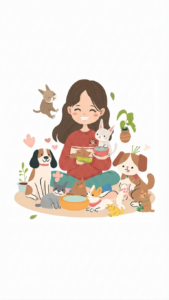
Pet etiquette matters because pets are animals driven by instincts, unique communication methods, and physical capabilities like biting or scratching. Furthermore, pets involve specific public health requirements such as vaccinations and parasite control, and distinct legal liabilities for their owners. Because a residential community brings together diverse people of every age and mindset, from energetic children and older adults to residents with
allergies or phobias, a clear pet policy simply ensures that one neighbor’s joy doesn’t come at the expense of another’s comfort and safety.

How do you practice pet etiquette
A. The Art of the Shared Walk: Leashes and Lifts
Picture this:
Max, an energetic poodle, bursts out of the lobby ready to conquer the day. To Max, it’s an adventure, to a neighbor rushing to work or someone who prefers admiring pets from a distance, a sudden bound can be startling. To balance freedom with safety standards :
- The Six-Foot Rule: Pets must stay leashed at all times in common areas like lobbies, lifts, staircases, and pathways (unless inside designated fenced off-leash zones).
- Lift Etiquette: Keep pets close, avoid blocking doorways, and check in with a quick, “Is it okay if my dog joins?”
- ID Tags: Every pet needs a collar tag with your contact number. It’s the fastest way neighbours and management can help a lost explorer get home safely.
B. Little Humans and Happy Hounds
Children and pets can be the best of friends, but safe interactions require ground rules for both sides:
- Always ask the pet parent first before approaching.
- Walk, avoid hugging, teasing, chasing or pulling a pet, and ensure an adult supervises every interaction toward a pet to avoid startling them.
- Read the signs: A gently wagging tail signals a happy greeting, while a tucked tail asks for space. Skip hugs and teasing adult supervision on every interaction ensures safety and smiles all around.
C. Cleanup: More Than Just “Picking Up”
A clean environment is a joint responsibility. Good cleanup habits protect pets from infection and keep our shared green spaces beautiful:
- Waste Disposal: Always carry poop bags and dispose of waste strictly in designated bins never in toilets, garden corners, or landscaped areas.
- Path Maintenance: A quick splash of water on urine spots in busy areas keeps pathways fresh and odour-free.
- Dedicated Zones: Stick to marked pet-friendly exercise zones
D. Health, Hygiene, and Compliance
A well-cared-for pet is a community asset. To keep our ecosystem running smoothly, everyday care matters:
- Medical Care: Maintain core vaccinations, routine deworming, and tick/flea prevention. Registration: Register your pet with the management office including proof of vaccination and dog licensing and renew documentation every six months.
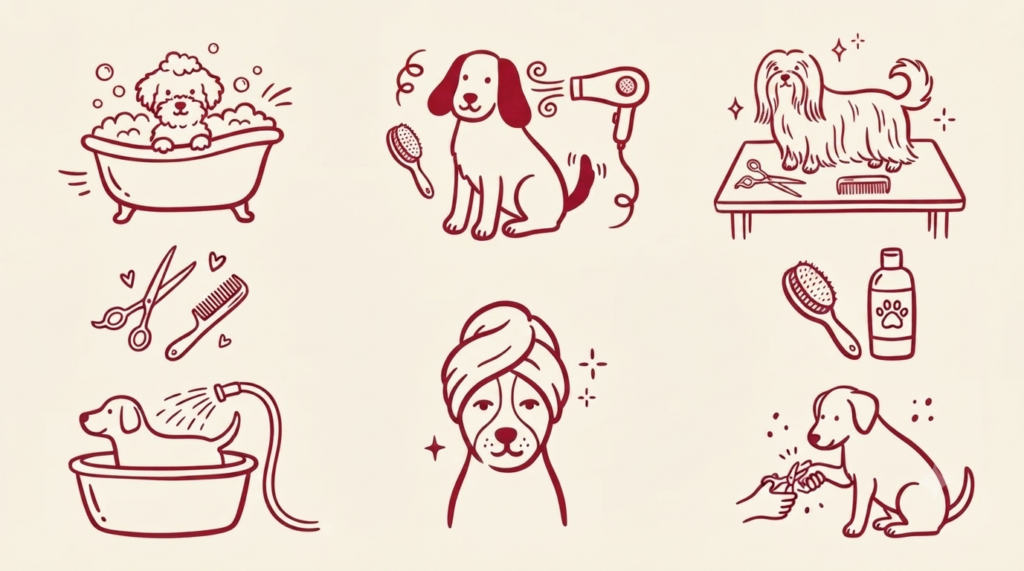
- Preventative Care: Regular grooming and spaying/neutering by six months help keep community pet populations and behaviours balanced and manageable.
E. Meeting Other Pets: Go Slow
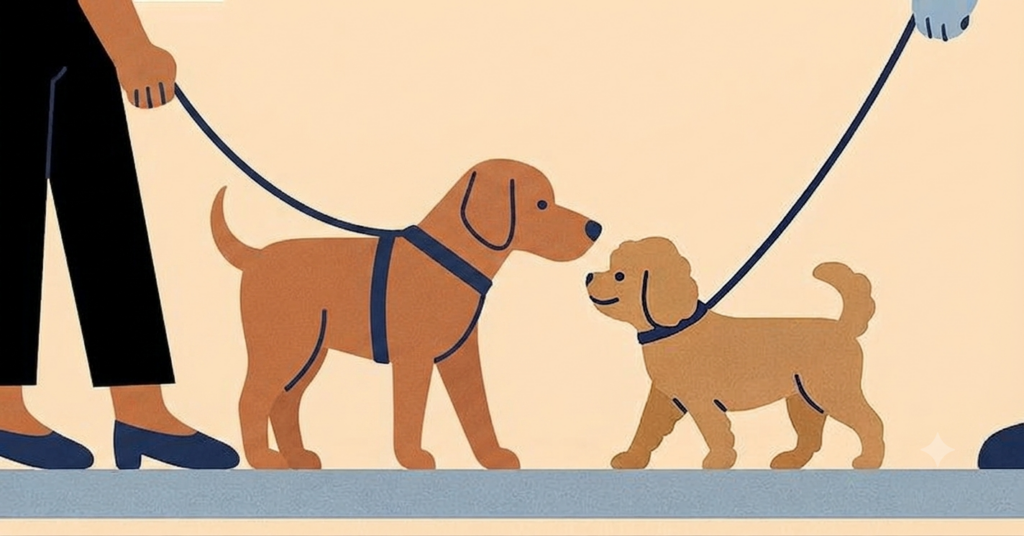
Always check with the owner before letting pets interact or feeding another pet, as they may have dietary restrictions or sensitivities. In shared pet zones, keep pets leashed until they’re comfortable with space and other animals. New or anxious pets may need to stay leashed longer and should never be left unattended.
At the end of the day, pet etiquette isn’t about rules for the sake of
rules it’s about empathy. By balancing our love for our pets with
care for our neighbours, Nandi Meraki remains a warm, safe haven
for everyone, four-legged or otherwise.
For full details on registration, vaccinations, and community rules, residents of Nandi Meraki can refer to the official Pet Policy & Guidelines available through the management office and MyGate app.


0 Comments