In reality, accessibility is simply good design. Design that makes everyday life seamless, effortless and safer for everyone.
Yet when we hear the word ‘accessible’, we immediately picture wheelchairs, ramps and handrails. We instinctively assume it’s a home meant for someone else. That single misconception has shaped the way we think about accessibility for decades.
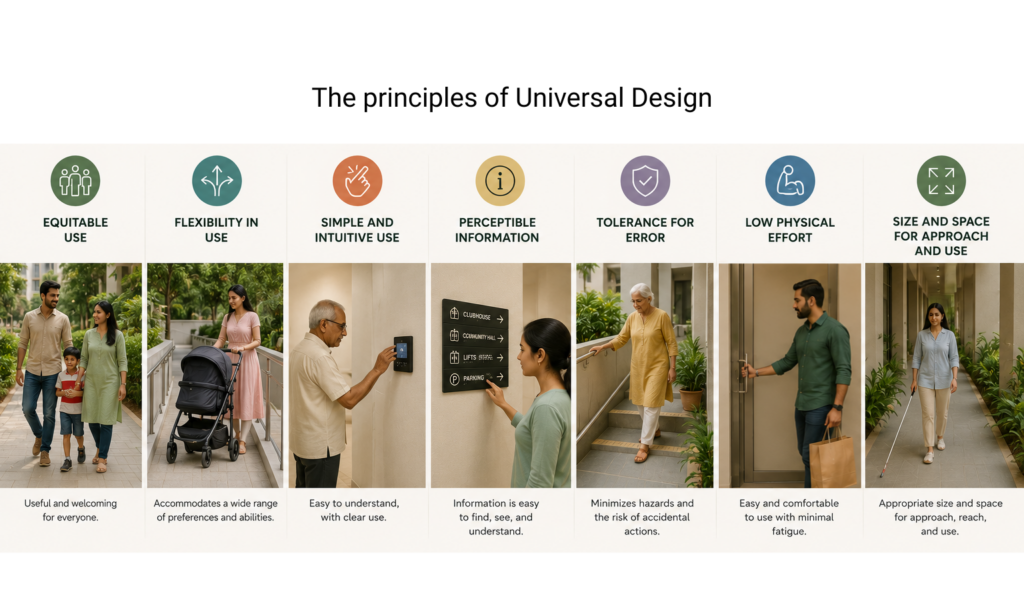
This is where the philosophy of Universal Design comes in – the idea that spaces should be usable by as many people as possible, regardless of age or ability. When we look at accessibility through that lens, it stops feeling like a specialised feature and starts feeling like common sense.
Accessibility is about designing homes that work better for everyone. It isn’t about creating homes for just a particular group of people.
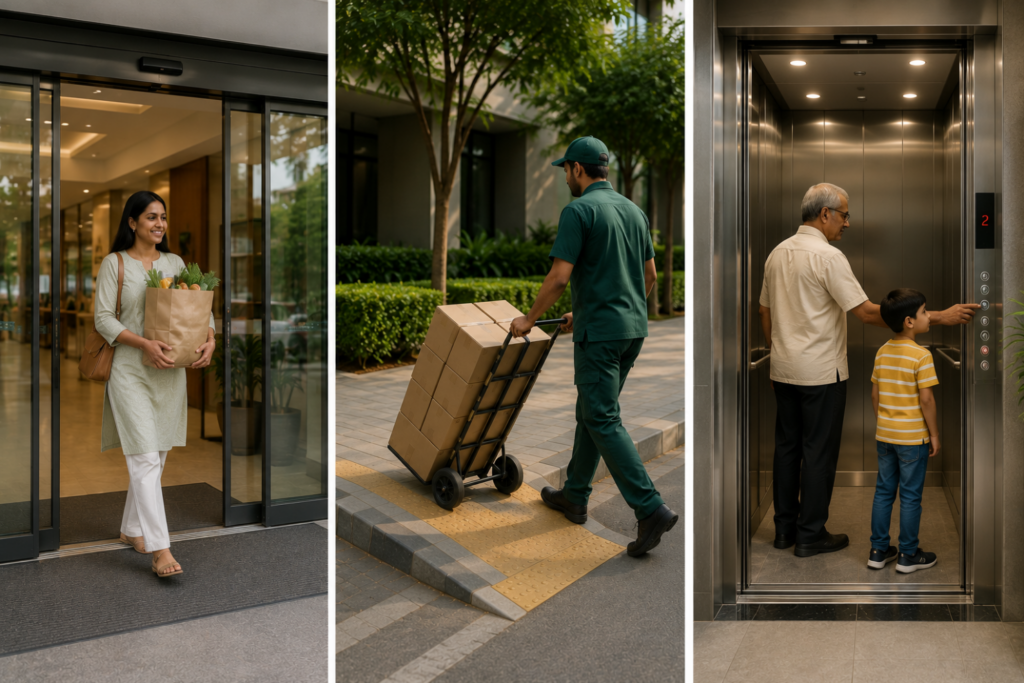
The easiest way to understand Universal Design is to look at the things we already use every day. For example, in malls and public spaces, automatic doors were introduced as an accessibility feature, but today almost everyone chooses to use them because they’re simply more convenient. Even though kerb ramps on footpaths were originally designed for wheelchair users, today they’re just as useful for parents pushing prams, travellers wheeling suitcases and delivery workers moving heavy trolleys. Accessibility has a habit of becoming invisible once everyone starts benefiting from it.
The best design is often the design you stop noticing. Once people experience it, they stop thinking of it as an accessibility feature and simply see it as something that makes life easier.
Homes are no different.
A wider doorway isn’t valuable only when someone uses a wheelchair. It makes moving furniture easier, and allows new parents to navigate a stroller more comfortably. Bathrooms with thoughtful layouts aren’t just safer for senior citizens; they’re easier for guests using wheelchairs and anyone recovering from an injury. Threshold-free entrances make everyday movement more comfortable for everyone, whether you’re carrying groceries, luggage or a sleeping child.
Our lives keep evolving. We buy homes long before we know exactly what the next twenty or thirty years will look like. We may have children. Our parents may one day come to live with us. A temporary injury could change how we move around the house for a few weeks. As we grow older, our needs naturally evolve. None of these situations are exceptional. They’re simply part of life, and our homes should be designed with that in mind.
When choosing a home, we spend hours comparing floor plans, amenities, clubhouse facilities and views, but rarely ask a simple question: How well will this home adapt as my life changes?
Perhaps that’s because we’ve been conditioned to believe accessibility is only relevant when something goes wrong. A well-designed home should make everyday tasks so effortless that we don’t even notice.
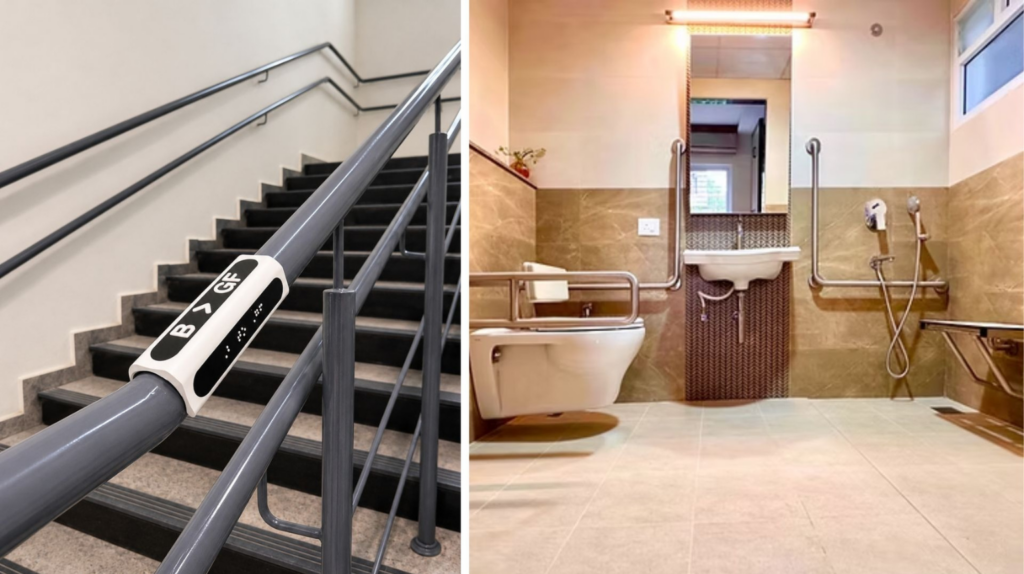
The best accessible homes don’t announce themselves with clinical aesthetics. They simply feel more like home – they accommodate more people, more situations and more stages of life with ease.
It’s time we stopped thinking of accessibility as something designed for a few and started recognising it for what it really is: good design that benefits everyone. After all, a home should make everyone feel like they belong.
If this perspective resonates with you, explore Nandi Meraki’s accessibility-friendly homes, where inclusive design is built into every detail. To see how these features work in real life, watch wheelchair model and accessibility advocate Virali Modi explore the model apartment. Watch Virali Modi take a complete tour of the model apartment here.


0 Comments