What makes a place feel like home?
For some, it’s the smell of familiar food wafting through a neighbour’s kitchen window. For others, it’s hearing a child’s laughter in the corridor, or having someone to talk to who’s seen the world a little longer than you have. The magic of a home often lies in the people who surround it.
And when those people come from different walks of life—children, young adults, parents, grandparents—that magic multiplies.
Multi-generational living brings people closer – across ages, experiences, and everyday routines.

Rethinking the Way Generations Share a Home
Across the globe, societies are witnessing a shift. With urban living growing more isolated and nuclear families becoming the norm, many are finding that living only among peers limits emotional, social, and even practical growth.
Even urban planners are taking note. According to the World Health Organization, age-friendly communities are key to sustainable urban living. Multi-generational housing isn’t just about inclusion—it’s about resilience.
Multi-generational living integrates people of all ages within a shared residential space, whether within the same household or in apartment communities. It’s a return to an old wisdom, one that’s rooted in community care.
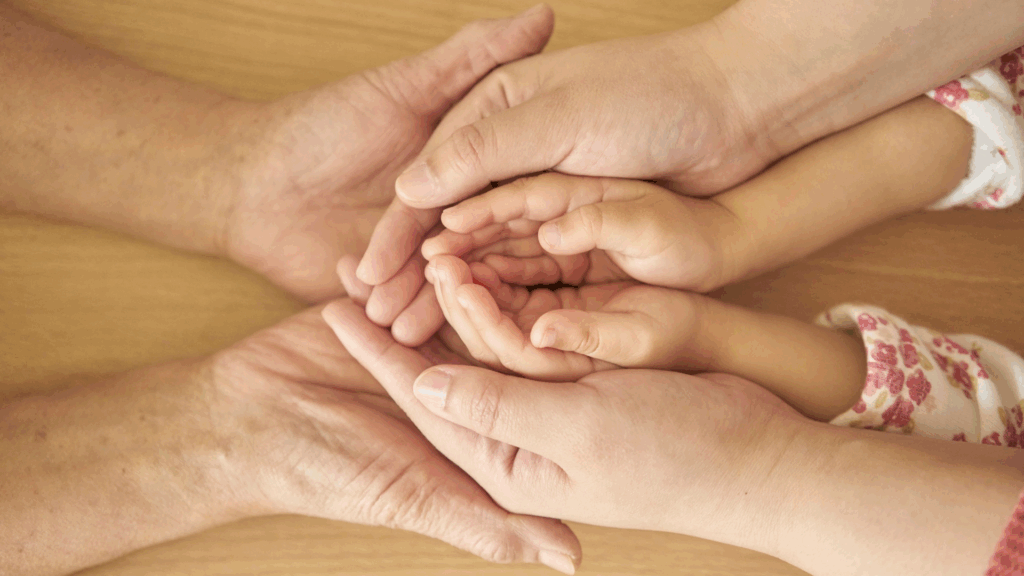
When people grow up, or grow older, without exposure to other age groups, it’s easy for biases to take root. Children may view seniors as out-of-touch. Older adults may feel dismissed by youth culture.
But in shared communities, those myths dissolve. You start to see individuals, not just age labels. The retired architect becomes the building’s story-keeper. The teenager becomes the go-to tech whiz. Respect becomes mutual, not hierarchical.
Why Multigenerational Communities Matter Today
1. Emotional Security Through Connection
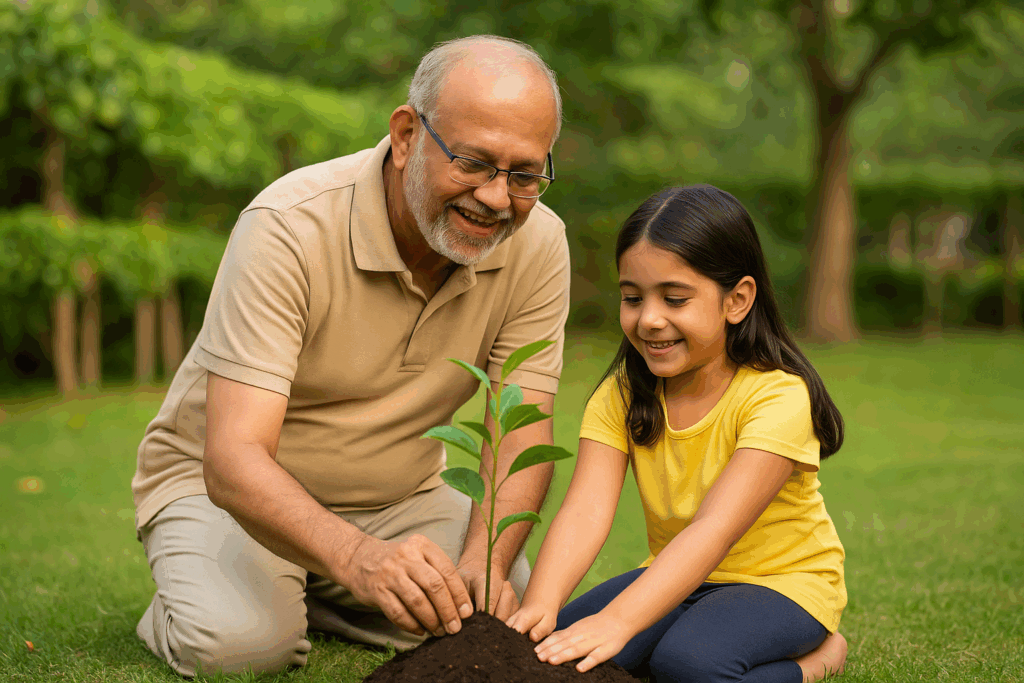
Studies show that people, regardless of age, experience higher emotional wellbeing when they feel seen, heard, and needed. In age-diverse communities, residents naturally create support systems:
- Seniors combat loneliness through regular interactions with young families.
- Children develop social confidence around adults of all kinds.
- Young adults find mentors, inspiration, or even just neighbours who look out for them.
What results is not dependence, but interdependence. And that’s what builds belonging.
2. From Stories to Screens: Learning Through Generations

Intergenerational contact is a proven source of informal learning. Children exposed to elders demonstrate higher empathy, stronger communication skills, and a better understanding of history and resilience. In return, older adults often report improved mental health, sharper memory, and a sense of renewed purpose.
It’s not unusual in these communities to see a 70-year-old sharing gardening tips with a 10-year-old, or a teenager teaching a grandparent to use a smartphone. Every hallway becomes a classroom.
3. Help is Always Nearby
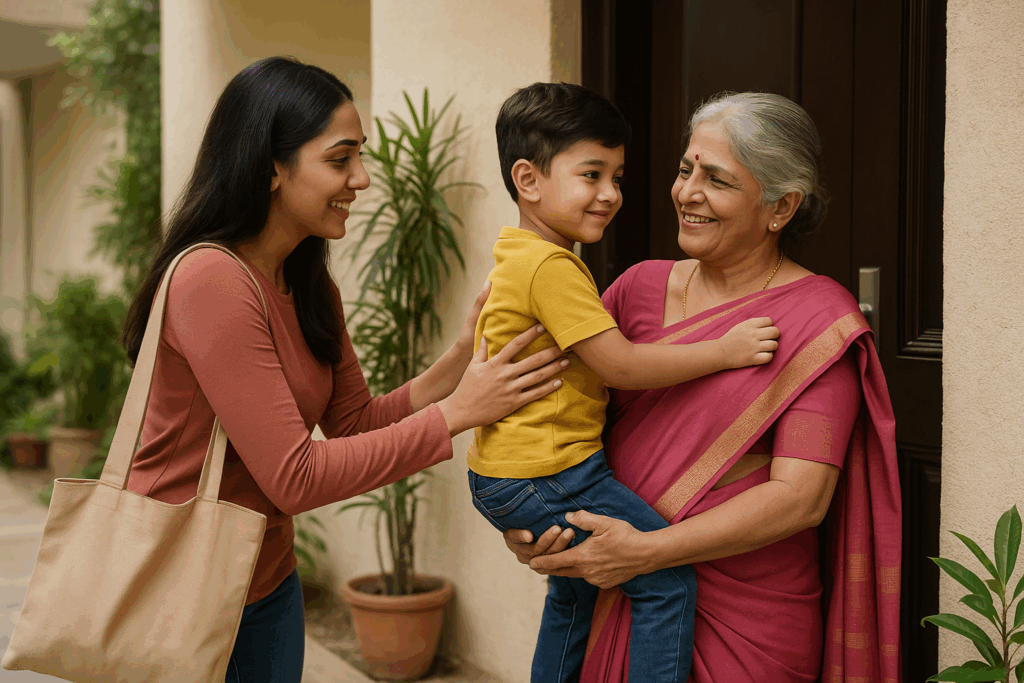
From shared errands to emergency babysitting to tech help, practical support is one of the biggest advantages. And unlike hired help or formal arrangements, these gestures come with warmth, trust, and human connection.
You’re never truly alone when your community includes someone who’s happy to lend a hand—or an ear.
4. A Sense of Continuity and Home
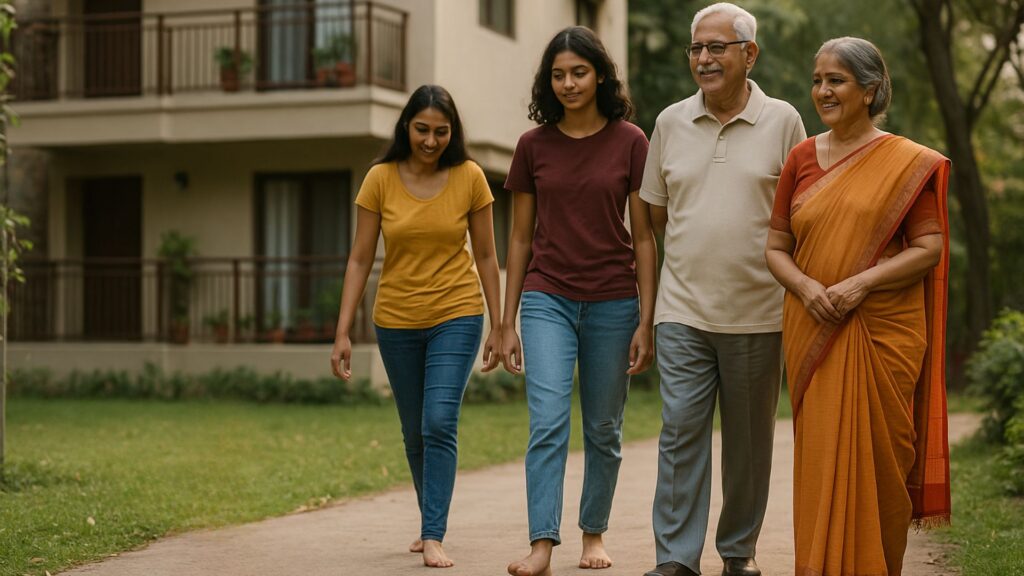
Multi-generational communities offer a living timeline. You see the stages of life reflected all around you. A child learning to walk. A teenager exploring identity. A parent navigating balance. An elder reclaiming slow, meaningful moments.
It’s a reminder that life isn’t just lived—it’s shared. In such spaces, people often stay longer, care more deeply, and feel more rooted.
How Apartment Communities Make It Possible
Modern apartment living—once associated with transient, private, disconnected lifestyles—is now evolving to support deep, organic community-building across generations.
- Shared Spaces with Purpose
- Events that Celebrate Togetherness
- Facilities That Serve All Ages
- A Culture of Informal Care
Rethinking Urban Living: Not Just Homes, But Human Ecosystems
In a time when loneliness is becoming a public health concern and family structures are increasingly dispersed, apartment communities offer a new model of belonging.
It’s in the shared festival décor, the intergenerational carrom tournament, the dance practice for a community event—it’s where age doesn’t separate people, but brings them closer.
At the end of the day, home is more than the walls we live within. It’s the people we greet in the corridor. The shared meals, shared celebrations, and even the shared silences. A multi-generational community doesn’t just bring together different ages—it brings together different perspectives, energies, and experiences. And in doing so, it creates a place where everyone can feel at home.
At our latest project, Nandi Meraki, every generation finds its place.
From playful spaces for children, to accessible features that support senior living, to sports zones and vibrant areas for the youth—we design for a community where everyone feels included, supported, and truly at home.
Because when you live among many generations, you don’t just grow older.
You grow wiser, kinder, and more connected.
0 Comments