On a quiet street in old Bengaluru, life in a vatara began long before sunrise. The clang of vessels from one kitchen mixed with the hiss of a pressure cooker from another. Barefoot children darted across corridors, their laughter echoing through shared walls. On the verandah, a grandmother exchanged smiles with neighbors collecting water from the common tap.
This was everyday life in a vatara: simple homes stitched together by walls, but bound more deeply by community.
Homes Built for Belonging
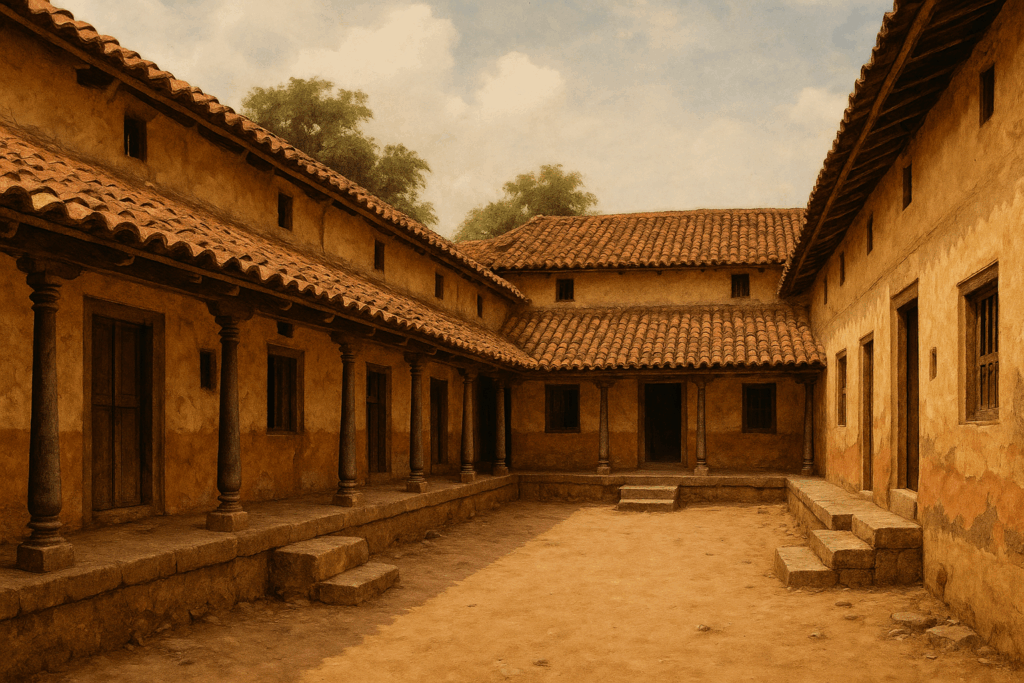
Vataras were never about grandeur. Their architecture was modest — U-shaped or rectangular blocks around a central courtyard, or narrow corridors lined with homes. Tiled roofs, lime-mortar walls, wooden doors, and slim verandahs blurred the line between private and public space. Neighbors met not just on festivals or special occasions, but every single day.
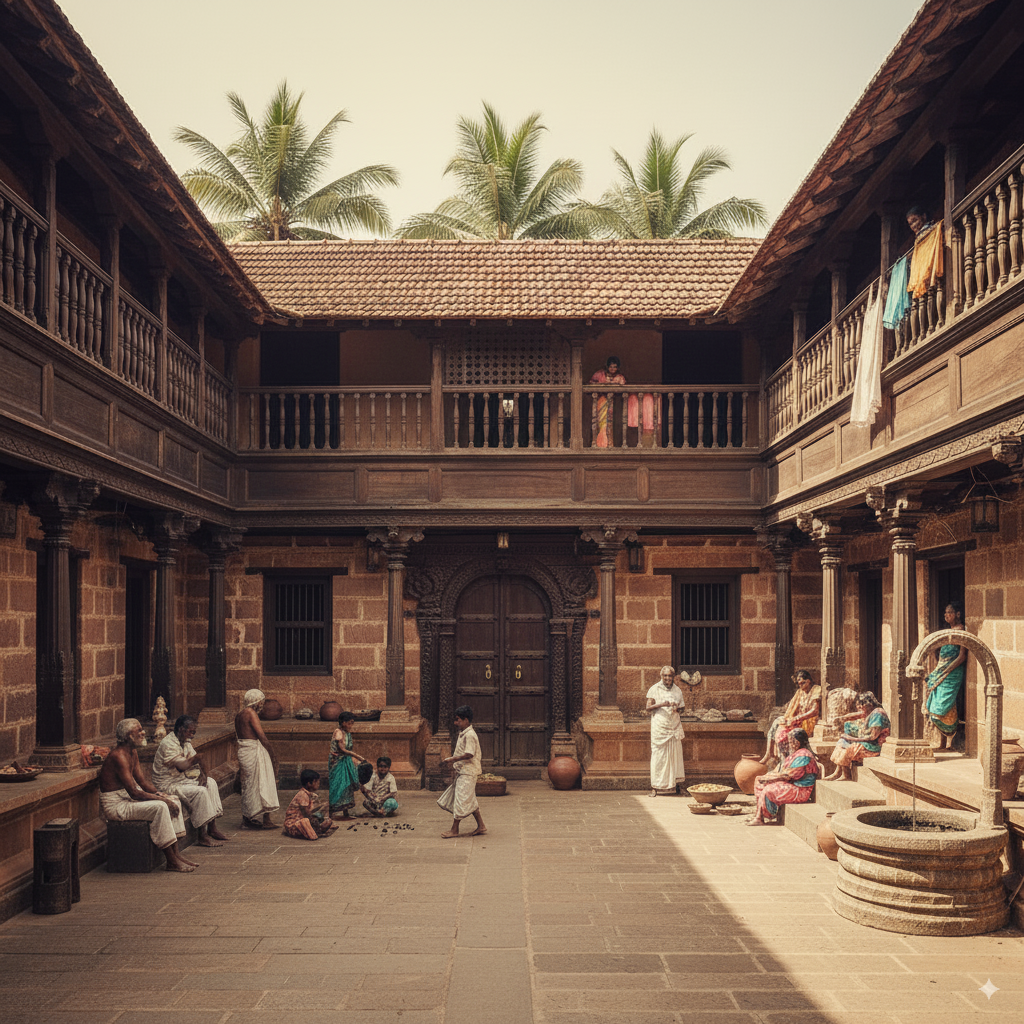
At the heart of every vatara was its courtyard – a playground for children, a gathering place for elders, and a stage for gossip, chores, and evening chats. Privacy mattered less in a vatara, because its very design invited togetherness. Shared taps, open-air washing areas, and even common toilets weren’t inconveniences; they were catalysts for connection.
Karnataka’s Cultural Footprint
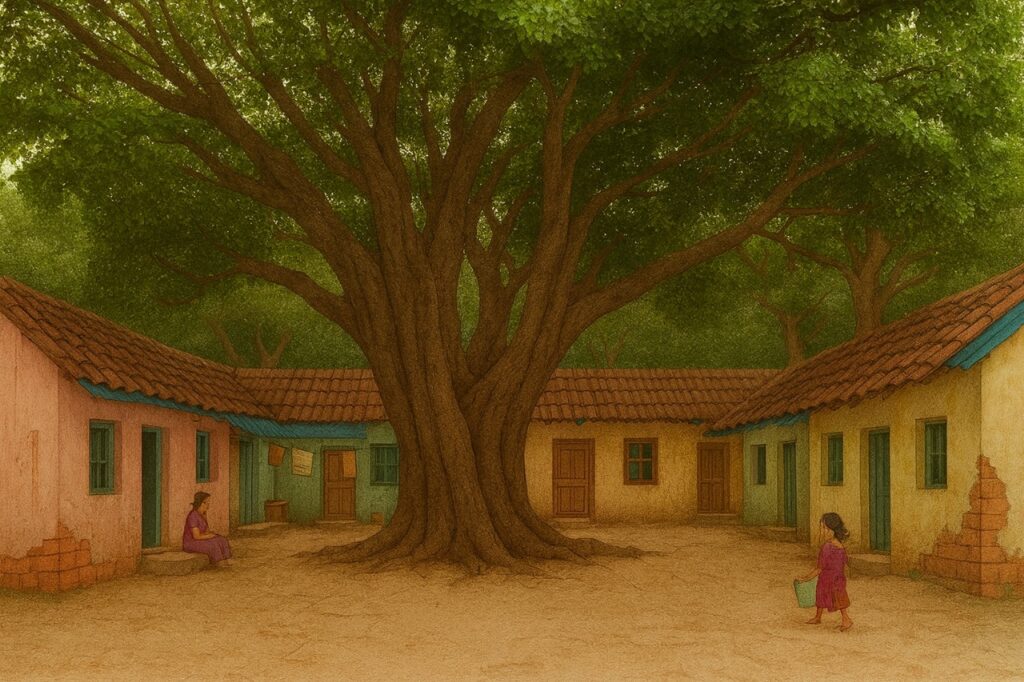
The vatara embodied Karnataka’s ethos of hospitality, inclusivity, and collective living. Much like the agraharas of temple towns or the mane kattas (courtyards) of village homes, vataras carried the wisdom that life was best lived together.
Kannada literature and cinema often captured their vibrancy alive with music, gossip, laughter, and the occasional quarrel – all part of the shared human story.
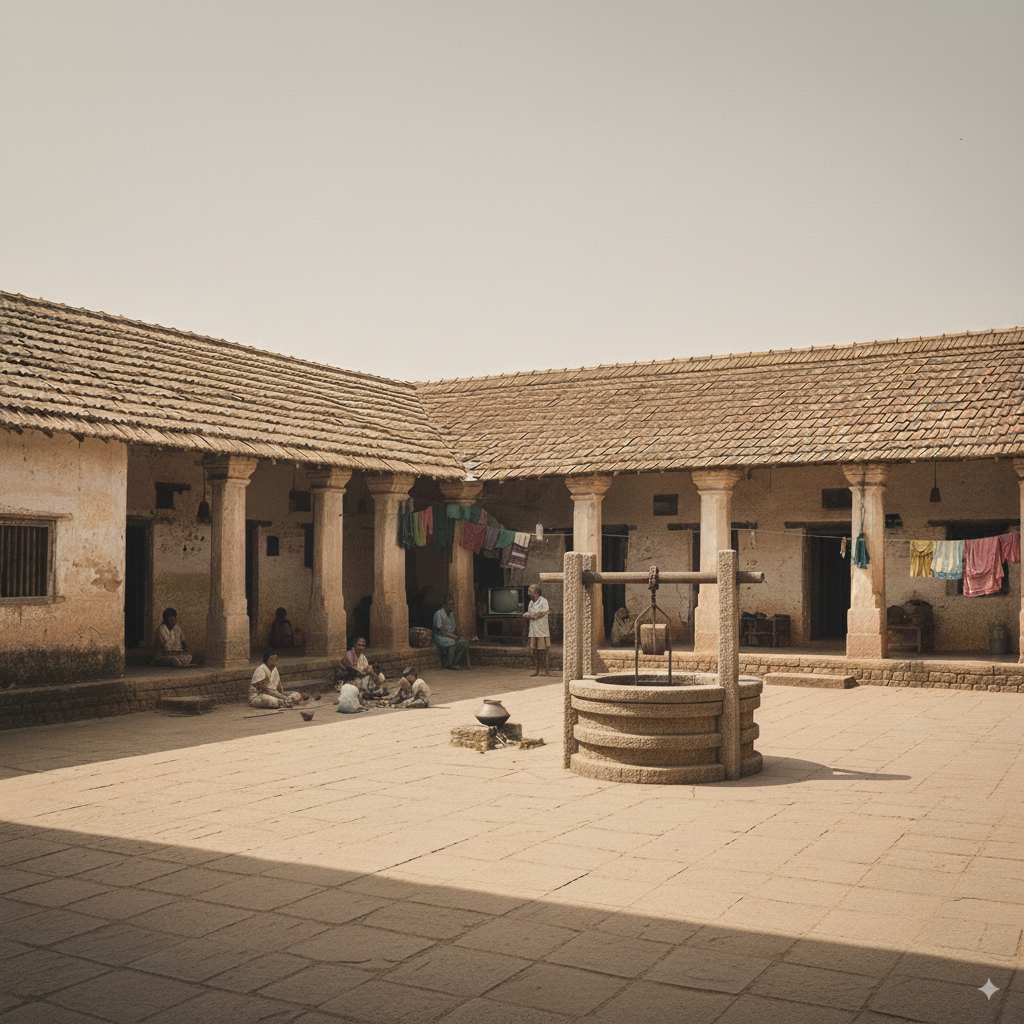
In neighborhoods like Basavanagudi, Malleswaram, Chamarajapete, and Shivajinagar, vataras became home to middle-class families, factory workers, merchants, and government employees. Affordable rents allowed people to live close to schools, markets, and workplaces, commuting by foot or bicycle, and weaving life tightly into the city’s fabric.
Echoes in Today’s Communities
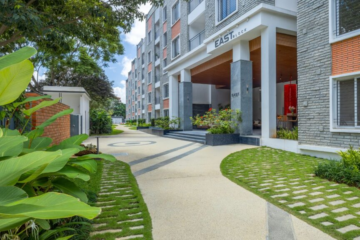
Traditional vataras may be rare today, but their essence endures. Modern apartments, co-housing projects, and planned communities borrow many of the same principles:
Courtyards have become gardens and clubhouses, where people still gather.
Corridors have turned into shared amenities that bring neighbors together.
Festivals are still celebrated as a collective, binding households in joy.
Where once a single water tap created friendships, today it may be a gym or a community garden. The design has evolved, but the truth remains: strong communities grow when spaces encourage people to meet, share, and care.


0 Comments